
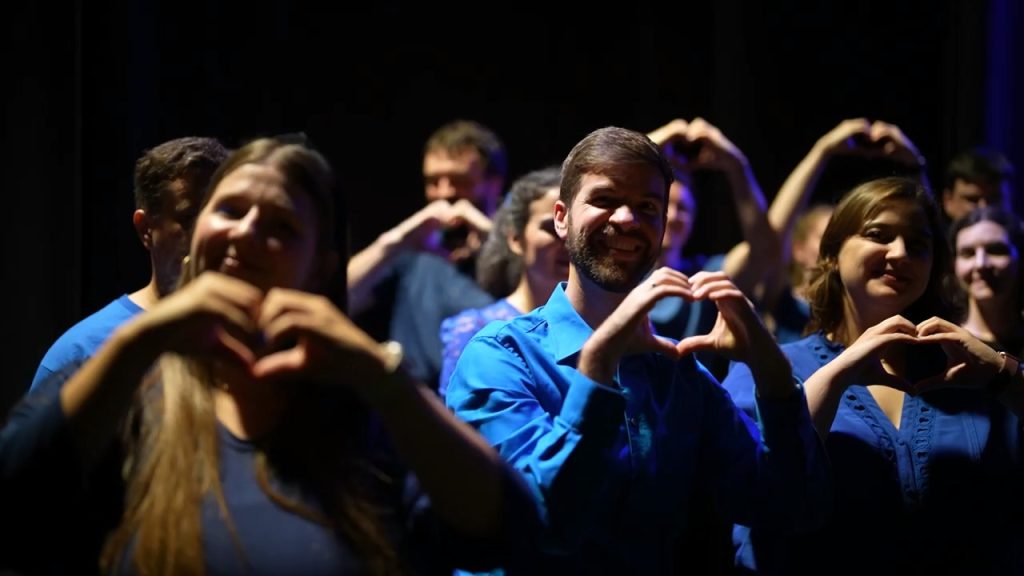
Live sport does something rare in a fractured media world – it makes people breathe in the same rhythm even when they sit oceans apart. The moment a bowler turns at the top of the run-up or a striker begins the sprint, thousands lean forward together. That shared timing is not an accident. It is the product of smarter streams, cleaner interfaces, and community features that turn distant screens into one loud, happy room.
Shared timing – the quiet engine of togetherness
The chorus feeling starts with a clock you can trust. Streams need low latency and consistent cues so everyone reacts to the same beat. When countdowns and “live” badges are honest, a split second becomes a signal rather than a source of doubt. Fans read the moment, not the delay, and their chat lines up with what you see on screen.
Cricket shows the pattern clearly because it mixes rapid micro-moments with long, collective breaths. Neutral hubs such as desiplay.in make the cadence visible with fixtures, live states, and clean score progress that people can follow in sync. That alignment reduces the noise of “spoilers” and lets the emotion hit at once – a wicket falls, a chorus erupts, and the room feels intact even when the room is virtual.
When timing is tidy, community tools begin to sing. A short pre-outcome animation becomes a courtesy, not a stall. A server-driven clock means a quick catch-up after a wobble feels like a handshake, not a rewind. The baseline is simple – if the heartbeat is steady, the chorus knows when to breathe.
Design patterns that turn distance into a shared stand
Great watch-along spaces use small, repeatable touches that keep attention on the field, not on the UI. Four patterns show up again and again.
- One dominant cue before a key moment – a ring that tightens or a subtle stinger focuses the eye without shouting.
- Neutral microcopy that respects the play – labels like “ball in”, “review underway”, “decision posted” reduce guesswork.
- Calm lanes for live reactions – comments stack in time order and can be filtered to “friends only” when global chat moves too fast.
- Device-aware layouts – big tap targets on phones, picture-in-picture on desktops, and a low-stim mode for people who prefer less motion.
None of these changes the sport. They make the rhythm legible. When the design stays honest, the remote crowd behaves like a local one – quick gasps, quick laugh,s and an easy return to focus.
The psychology of the chorus – why it lifts the moment
Humans calibrate emotion by looking sideways. A solo cheer feels bold. A shared cheer feels natural. That is social proof in its kindest form. When the timing is aligned, the “ohhh” before a DRS decision or the hush before a penalty becomes a collective act. People remember that union. They rejoin later because the feeling is bigger than the clip.
There is a practical upside, too. Shared silence teaches pace. A community that breathes together does not need a blaring countdown to pay attention. It learns the sport’s musicality – the set-up, the reveal, the reset – and transfers that rhythm across formats. A clean cadence also lowers friction. When fans can predict what happens next, they argue less about production and talk more about plays and tactics.
A practical playbook for teams, broadcasters, and platforms
Treat the chorus as a design goal, not a mystery. Start with timing. Make server time the truth for clocks and “live” states. Keep pre-decision cues short and identical, whether the outcome favours one side or the other. Post results to the score immediately with a tidy confirmation – number, time, and what comes next. That simplicity builds trust.
Add community features where they help rather than where they look clever. Reactions work best when they are small and anchored to the game clock. Friends lists should be obvious, so people can keep their own micro-rooms calm. Moderation needs to be visible and light – clear rules, quick mutes, and an appeal path that does not feel like a labyrinth. Accessibility is non-negotiable. Offer high-contrast skins and reduced-motion options that keep durations equal, so everyone reads the same beat even if they prefer a quieter screen.
Revenue can remain respectful. If you sponsor a replay or a key-moment package, match the tone to the sport’s rhythm. Do not drown the gasp. Do not bury the first reply under a graphic. The chorus is there for the play. Let the brand earn its place by helping the moment read cleanly.
For fans – build your own cross-border ritual
A good chorus is also a habit. Decide who you watch with – two friends who text clean analysis, a family thread, or a small Discord with emojis that actually mean something. Select a “home” room that displays accurate clocks and limits motion when requested. Keep your own pace steady – snacks ready, notifications quiet, and a plan for breaks that aligns with the sport’s natural pauses. That tiny ritual protects attention and makes every shared breath feel earned rather than improvised.
When distance is the default, togetherness needs craft. The best live experiences do not bridge the gap with noise. They close it with rhythm – steady clocks, clear cues, and unobtrusive spaces where a thousand voices act like one. Do that and the miracle repeats. A batter shapes to ramp over third. A ball hangs under the lights. Screens glow in Delhi, Dubai, and Dublin. The catch sticks – and in the same heartbeat, across the map, the chorus lands exactly as if everyone were sitting shoulder to shoulder.