
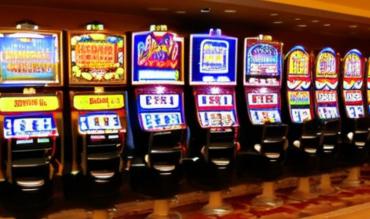
In the bustling world of casinos, players are drawn to various card games, table games, and machines of all types. Among these, slot machines stand out as one of the most universally recognized and widely played games. They are often the first thing players notice when entering a casino, their flashing lights and enticing sounds calling out to both novice and experienced gamblers alike.
The Simplicity of Slot Machines: No Skill Required
At the heart of what makes slot machines so appealing is their simplicity. Unlike poker, blackjack, or roulette, where players must use skill, strategy, and a deep understanding of the rules, slot machines are largely driven by luck. Players simply insert money, press a button, and wait for the machine to determine the outcome. There’s no need to learn complex strategies, memorize card values, or calculate probabilities. This makes them accessible to everyone, regardless of experience level. Whether you are a seasoned gambler or someone visiting the casino for the first time, the process of playing a slot machine is straightforward and easy to understand. In contrast, other casino games often require a level of expertise that can deter newcomers. For example, in blackjack, players must know when to hit, stand, or double down, all of which require practice and understanding of the game’s odds. Similarly, poker is a game of skill, where players must make calculated decisions, bluff, and manage their chips wisely. Slot machines, on the other hand, provide instant gratification and eliminate the need for strategic planning, which is a key factor in their massive popularity.
The Role of Randomness and Probability
While it may seem like slot machines are purely based on chance, they are actually driven by sophisticated algorithms known as Random Number Generators (RNG). These RNGs ensure that the results of each spin are entirely random and independent of previous outcomes. This is what makes slot machines different from games like roulette, where the ball’s movement is physical and influenced by external factors, or blackjack, where the deck is shuffled and dealt in a specific order. The RNG inside a slot machine ensures that no one can predict the outcome of a spin, making every game entirely unique. Each spin has the same odds, regardless of whether the previous spin was a win or a loss. This is a significant contrast to table games, where patterns can sometimes emerge and experienced players can use their knowledge to make informed decisions. In slot machines, every spin is a fresh start, governed by mathematics and chance alone.
The Pace and Instant Gratification of Slots
Another key difference between slot machines and other casino games is the pace of play. Slot machines offer rapid-fire action, with players able to complete multiple spins in just a few minutes. This speed creates a high level of excitement and gives players more opportunities to win or lose in a short amount of time. In contrast, games like blackjack, poker, and even roulette are slower-paced and allow for more contemplation between bets. While this slower pace may create a more relaxed atmosphere, it also means fewer decisions and fewer chances to experience the thrill of winning or losing. The pace of slot machines contributes to their appeal. Players are drawn to the quick, constant action, and the immediate feedback of a win or loss. The flashing lights and celebratory sounds that accompany a win provide a sense of instant gratification. This feeling is magnified by the fact that slot machines often feature bonus rounds, free spins, or multipliers, which can add unexpected twists to the game. Unlike card games, where wins and losses can take time to unfold, slot machines deliver almost immediate feedback, keeping players engaged and excited.
The Psychology of Reinforcement: Why Slots Are So Addictive
One of the most fascinating aspects of slot machines is the psychology behind their design. Many slot machines are engineered to trigger emotional responses in players, a technique known as the near-miss effect. In this phenomenon, the machine appears to be just a few symbols away from a big win, leading players to believe they are on the verge of success. Even though this outcome is entirely random, the brain interprets it as a near victory, motivating players to continue playing in the hopes that the next spin will be the one to bring them a big payout. This reinforcement, combined with the speed and randomness of slot machines, creates an environment where players can easily become immersed in the game. It is easy to see why slot machines are often regarded as the most addictive form of casino gaming. The intermittent rewards, the anticipation of a win, and the excitement of seeing symbols align all combine to create a highly stimulating experience. This is in stark contrast to table games, where wins are often fewer and less dramatic, and players are more likely to engage in thoughtful decision-making between bets.
The Financial Aspect: House Edge and Payouts
While slot machines are known for their ease of play and thrilling pace, they are also distinctly different from other casino games in terms of their financial structure. One of the most significant differences is the house edge, which refers to the built-in advantage that casinos hold over players. Slot machines typically have a higher house edge compared to games like blackjack or baccarat, meaning players are statistically more likely to lose money over time. The house edge varies depending on the specific machine and its payout structure, but in general, slot machines are designed to keep players coming back for more spins without providing substantial returns in the long run. In contrast, games like blackjack or poker allow players to influence the outcome through skill, decision-making, and strategy. Players who understand the odds and employ the right tactics can significantly reduce the house edge and increase their chances of winning. Slot machines, however, rely entirely on random chance and are programmed to favor the house, making them more of a game of luck than skill.
The Future of Slot Machines: Technology and Innovation
As technology continues to evolve, the future of slot machines looks even more exciting. Virtual and augmented reality are already being explored in casino gaming, and slot machines are likely to be at the forefront of these innovations. The next generation of slot machines will likely offer even more immersive experiences, incorporating interactive elements, advanced graphics, and engaging storylines to further enhance the player experience. Additionally, the use of mobile apps and online casinos is expanding, allowing players to enjoy slot machines from the comfort of their own homes or on-the-go. These advances will continue to shape what sets slot machines apart from other casino games, ensuring that they remain a key attraction in the world of gambling.
In Summary
What makes slot machines different from other casino games is their simplicity, pace, and reliance on chance. Unlike games of skill such as blackjack or poker, slot machines offer immediate, random outcomes that are driven by technology, not player strategy. They create a fast-paced, exciting environment that rewards players with instant feedback, making them accessible and engaging for a wide range of players. The psychology behind their design, the thrill of near-misses, and the immersive experience all contribute to their continued popularity. While their higher house edge and dependence on luck may make them less predictable than table games, slot machines offer an unmatched combination of entertainment and excitement, ensuring their place as a staple in the casino world.